


PhD Candidate | NIH-F31 Fellow
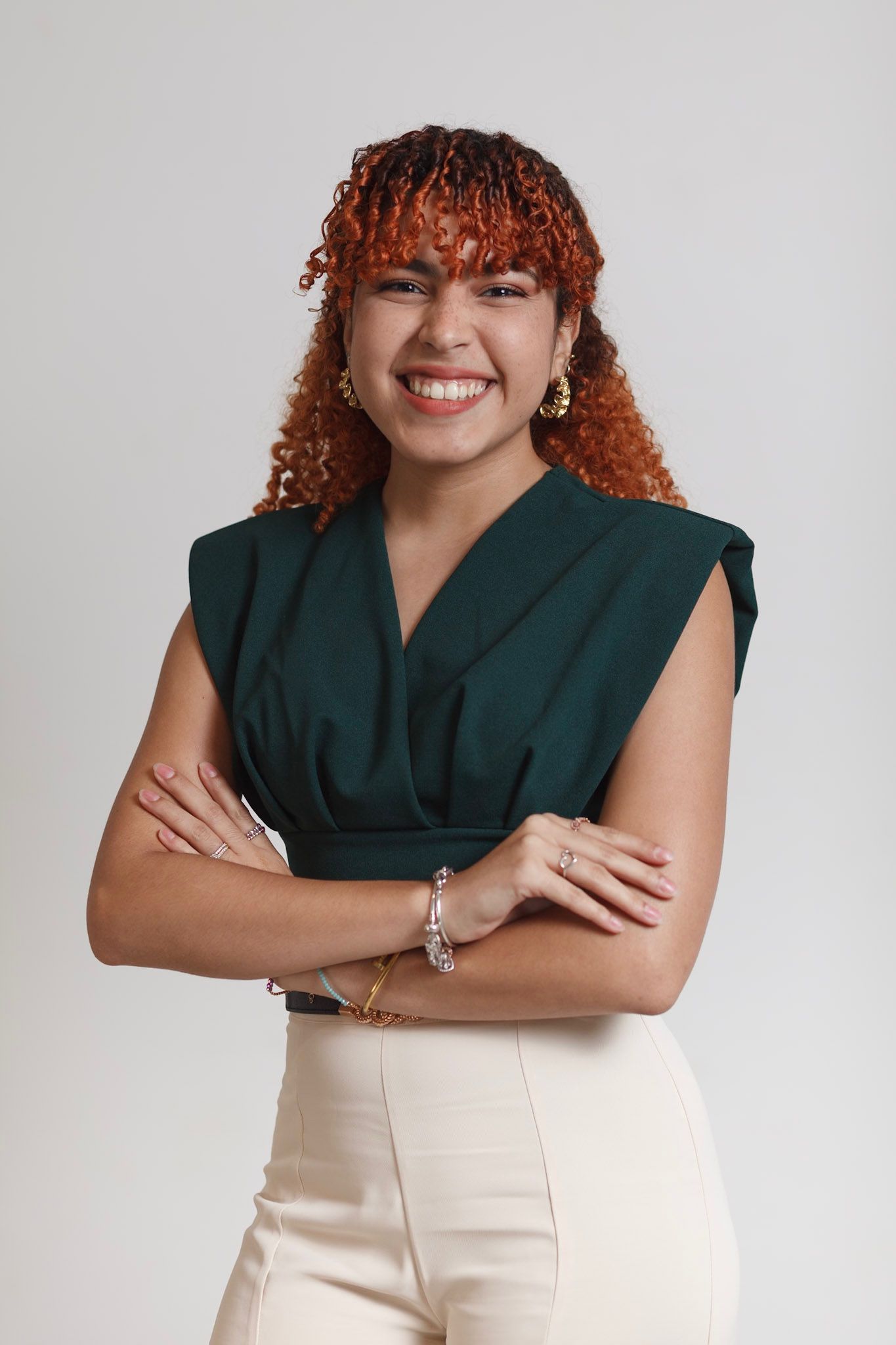
As a PhD student in Dr. García-Arrarás lab, I study nervous tissue regeneration using the sea cucumber Holothuria glaberrima. My research focuses on understanding the molecular regulation of nervous tissue regeneration and neurogenesis. H. glaberrima has remarkable nervous system regenerative capacities as well as close phylogenetic proximity to chordates. Hence, by studying and comparing regenerating and non-regenerating species, we can uncover genes, molecules, and pathways essential for nervous system regeneration. Currently, I am identifying phylogenetic cell marker similarities between the radial glial-like cell of the sea cucumber nervous tissue and the vertebrate radial glia-like cell. Additionally, I am identifying the genetic regulator that influences radial glia-like cell dedifferentiation, which is an early hallmark of H. glaberrima nervous tissue regeneration. We aim to underpin fundamental knowledge that will contribute to overcome the regenerating barrier present in mammals. We have recently published a review article showing similarities between radial glial-like cells of the sea cucumber and the axolotl, zebrafish, and rodents. Here we condense extensive knowledge and the overall conserved features and roles of the radial glia-like cell during regeneration.
PhD Candidate | HHMI-Gilliam Fellow
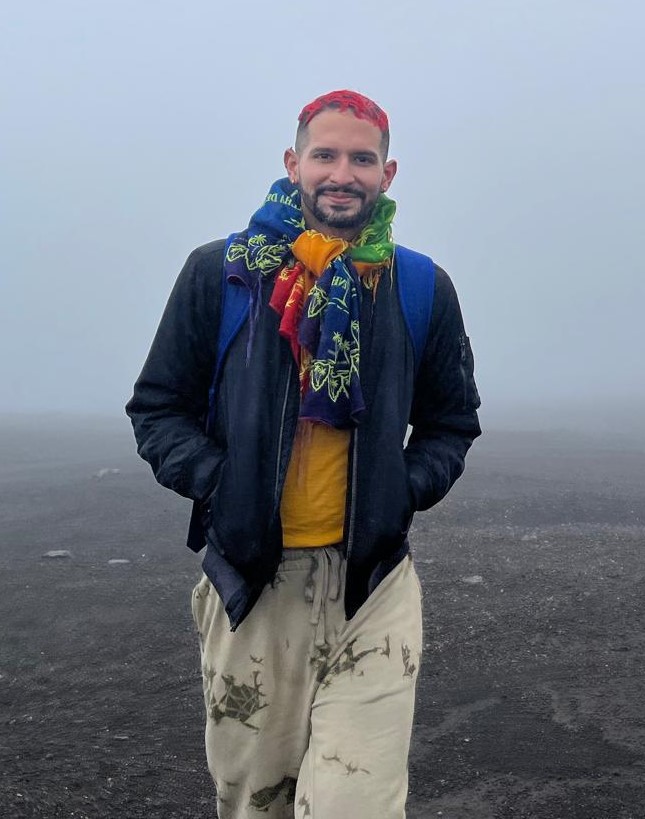
I am Julienn Torres Rodríguez, a fourth-year doctoral student specializing in regenerative biology. My research aims to identify and characterize genes that play a crucial role in the regeneration of nerves and the intestines. By focusing on the effects of gene inhibition—particularly genes such as Notch and HNF4—I analyze key cellular processes involved in regeneration, including proliferation, dedifferentiation, and migration. This work has the potential to uncover novel targets for therapeutic strategies and advance our understanding of regenerative mechanisms in both neural and gastrointestinal tissues.


PhD Candidate
Similar to embryonic development, regeneration is a complex dynamic process that involves cell differentiation, proliferation, and various cell interactions. The insulin growth factor system, (which is composed of Insulin Growth Factor (IGF), IGF-Receptor, IGF-Binding Protein, and IGF-Acid Labile Subunit), is important for these cellular processes. In vertebrate animals, IGF has been shown to be involved in the regenerative process. However, we still do not fully understand how the IGF system is involved in intestinal regeneration. We propose to use a unique organism, the sea cucumber, H. glaberrima, to study how the IGF system affects intestinal regeneration. Our findings will improve our understanding of how IGF works at the molecular and cellular level during intestinal regeneration and could pave the way for future studies in other tissues or organs, and even for potential applications in human regeneration or therapies.
M.S. Student | Exports/Imports Classifier | Prof. Microbiology CUNI
In developmental biology, constructing accurate cellular networks is essential for analyzing stages of change in tissue. This is performed through the thorough studies of molecular networks throughout different stages of a developmental process. In our laboratory, my research question incorporates the precise identification and validation of molecular growth factors, migration factors, axonal guidance factors, as well as other molecules from genomic, transcriptomic and single-cell assembly data. In collaboration with other wet-lab techniques, I seek to identify the potential impact the localized expression of these molecular factors can play in aiding or allowing the successful enteric nervous system regenerative process of the intestine to occur.
mluchs2@gmail.com
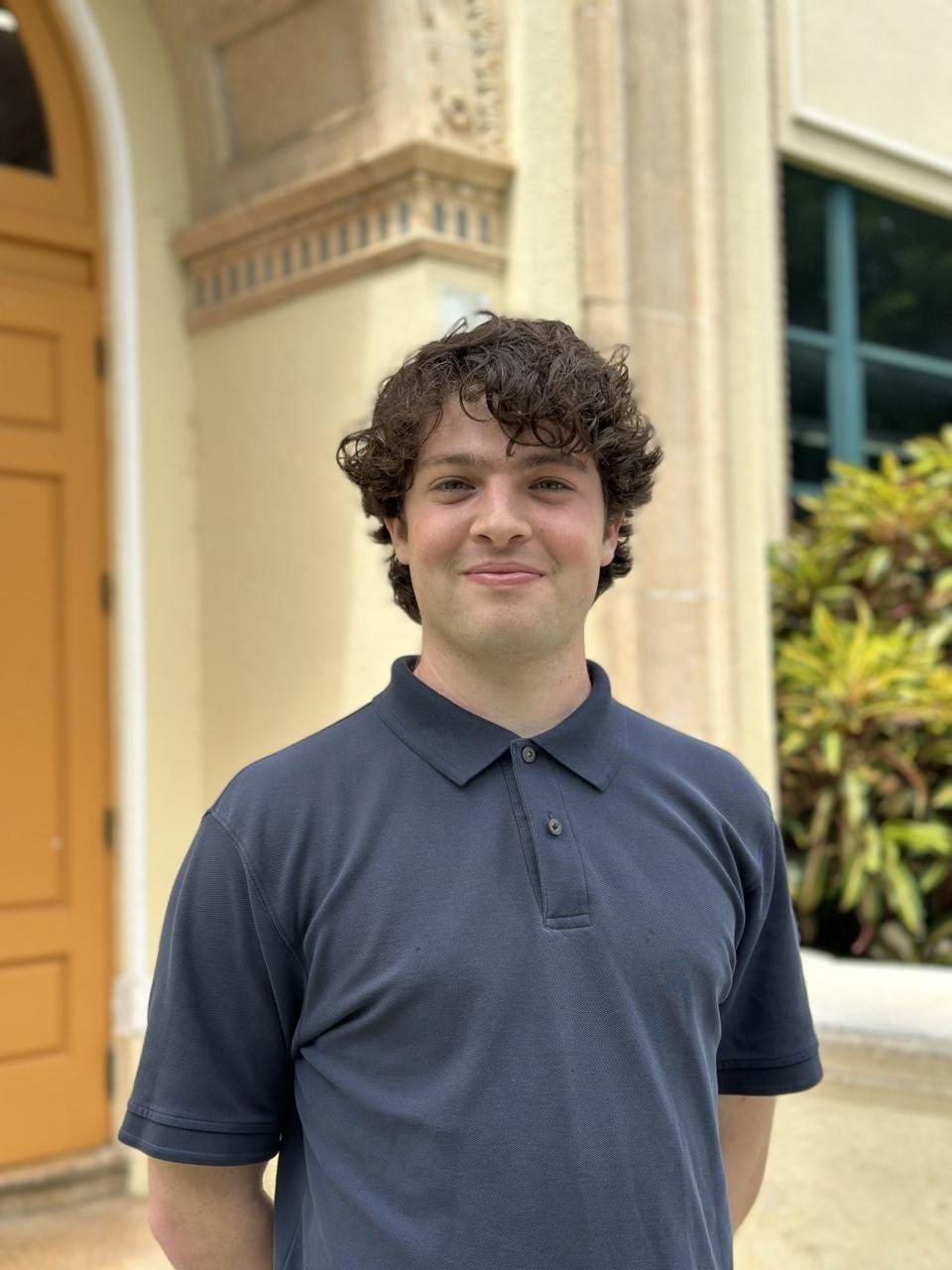
My name is Matthew Pedro Luchs, and I am from Williamsburg, Virginia. I majored in Computational & Applied Mathematics with a concentration in Mathematical Biology at William & Mary. Currently my work consists of building an atlas of cell-types in Holothuria glaberrima using single-cell/nuclei data.
amanda.hernandez10@upr.edu

annacmarquezs@gmail.com
I am currently working on projects that aim in characterizing coelomocyte cell populations in H. glaberrima, and their roles during intestinal regeneration. Furthermore, I am evaluating the effects of other physiological processes, such as aestivation, on regeneration mechanisms on a micro and macroscopic scale.
belinda.urbino@upr.edu
carlos.acevedo41@upr.edu
elvin.vargas5@upr.edu
emmanuel.diaz13@upr.edu
gabriel.ramos34@upr.edu
ian.arce@upr.edu
jose.velez114@upr.edu
julianys.tirado@upr.edu
malen.suarez.upr.edu

matilde.grosso@upr.edu
I am currently working to characterize heparan sulfate (HS), a promising candidate as a marker of cellular differentiation. By understanding the expression levels of the enzyme HS2ST which activates HS, we can track and identify the activity of differentiation throughout the regeneration of the sea cucumber. In addition, I am collaborating to help understand the expression and function of an insulin growth factor (IGF) during intestinal regeneration of the sea cucumber.
pamela.esteva@upr.edu
paula.sepulveda@upr.edu
raquel.cordero6@upr.edu
sebastian.castro3@upr.edu
Echinoderms carry out formidable regeneration of their intestinal and nervous system tissue. As a member of the deuterostome superclade, echinoderms share several developmental and gene regulatory network characteristics, establishing a close phylogenetic relationship with vertebrates. The prominin gene is widely associated with cell stemness, proliferation, migration and differentiation, all essential processes in the regeneration response of the sea cucumber. As such, in this study we use bioinformatic tools, in-situ hybridization chain reaction (HCR-FISH) and RNA-sequencing data to characterize the prominin family in the sea cucumber, focusing on its phylogenetic relationship to other vertebrate and invertebrate species while characterizing its expression in the uninjured and regenerating nervous and intestinal tissues of H. glaberrima.
yadiel.negron1@upr.edu
xaymara.sotomayor@upr.edu
Copyright © 2019 Dev Neuro Lab. All rights reserved.